


Where to eat in Tbilisi: districts, Georgian dishes and prices
Tbilisi's best restaurant districts — Old Town, Vera, Vake, Marjanishvili — the Georgian dishes you must try (khinkali, khachapuri, pkhali, mtsvadi), the wine culture, and rough prices in lari (₾).
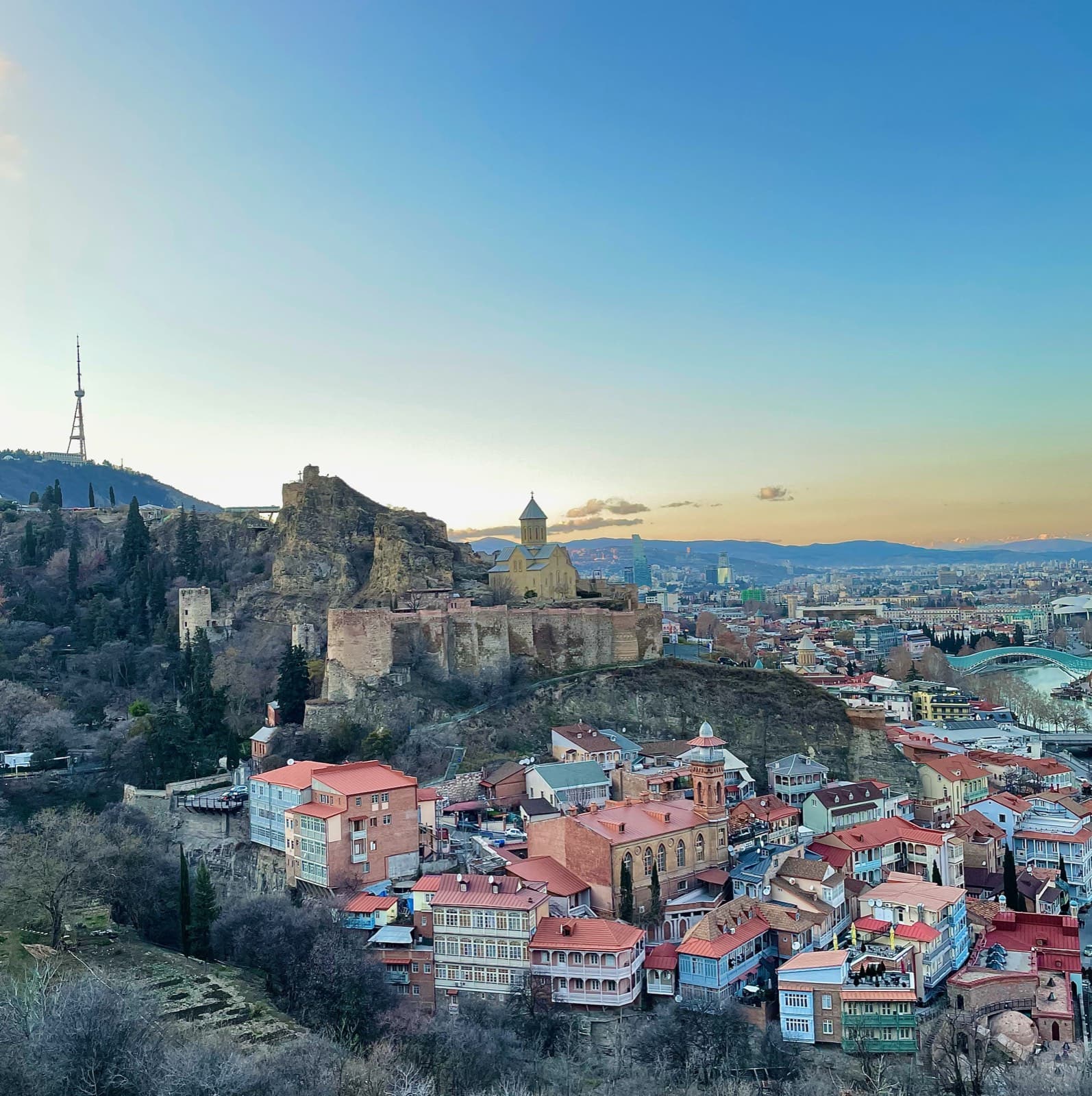
Tbilisi is one of the tastiest cities in the South Caucasus, and I can say that comfortably after a few visits. Georgian cooking is hearty, warm and generous — a meal here isn't just food, it's a whole ritual. The city runs from classic traditional restaurants to modern bistros and wine bars, with something for every mood. Below I've split Tbilisi by district and noted what each does well and how much your wallet will feel it.
What to try first
Start with the Georgian classics. Khinkali — large dumplings filled with meat and broth — are top of the list; you pick them up by hand, sip the juice first, then eat. Khachapuri is the king of cheese breads: the adjaruli version comes boat-shaped, with an egg and a knob of butter in the middle. Pkhali (walnut-and-herb patties), mtsvadi (Georgian grilled skewers), lobio (bean stew) and nigvziani badrijani (aubergine rolls with walnut) all belong on the table. Save room for churchkhela, the walnut-and-grape sweet.
Old Town
The city's dining life beats mostly in the Old Town. Below Narikala fortress, between the Abanotubani sulphur-bath quarter and Meydan square, narrow streets are packed with traditional restaurants, wine cellars and terraces. It's the easiest starting point for a visitor — everything is within walking distance and the atmosphere is great. One thing: as the central tourist zone, prices run a little high, but step one street back and you reach local rates.
Vera and Vake
A little above the centre, Vera and Vake are the city's more relaxed, upper-middle districts. Here you'll find bistros reworking modern Georgian cuisine, speciality coffee spots and third-wave cafés. Tourist crowds thin out and the mood is more local and calm. For a good lunch or dinner this is my favourite zone — high quality at prices more moderate than the centre.
Marjanishvili and Fabrika
On the left bank of the river, the Marjanishvili district has come alive in recent years. Fabrika, a converted old sewing factory, has become a courtyard-bar-café complex where young and creative crowds gather; around it are street food from various cuisines, wine bars and Georgian-European fusion spots. If you want an authentic, informal evening, this is the place.
Georgian wine
Georgia is one of the oldest homes of winemaking in the world — grapes are fermented in large clay vessels called qvevri buried in the ground, a method that's over 8,000 years old. Most restaurants carry local qvevri wine, saperavi (red) and rkatsiteli (amber). Order a tasting at a wine bar — paired with food, it'll be one of the most memorable parts of the trip.
How much it costs (rough, ₾)
The Georgian currency is the lari (₾). Street food and a light lunch with a couple of khinkali runs about 15–30 ₾ per person. A full dinner at a mid-range restaurant is usually 40–80 ₾. Popular Old Town terraces and modern Vake restaurants push it to 80–150 ₾. A bottle of local wine at a restaurant often starts at 30–60 ₾. Overall you don't need much money to eat well in Tbilisi — portions are generous.
Practical advice
Georgians love to share a table, so ordering several dishes for the middle and passing them around is the best approach. Don't try to eat khinkali with a knife and fork — you hold them by hand, sprinkle pepper on top, and leave the tail on the plate. Spring and autumn are best for open terraces; in the summer heat pick the cool cellar restaurants. To decide before you go, browse Tbilisi restaurants on Limi with photos, menus and exact location on the map; every place in the city is gathered on the Tbilisi page.